Cymbeline: 'Tis Slander, Whose Edge is Sharper Than the Sword’


Episode 232:
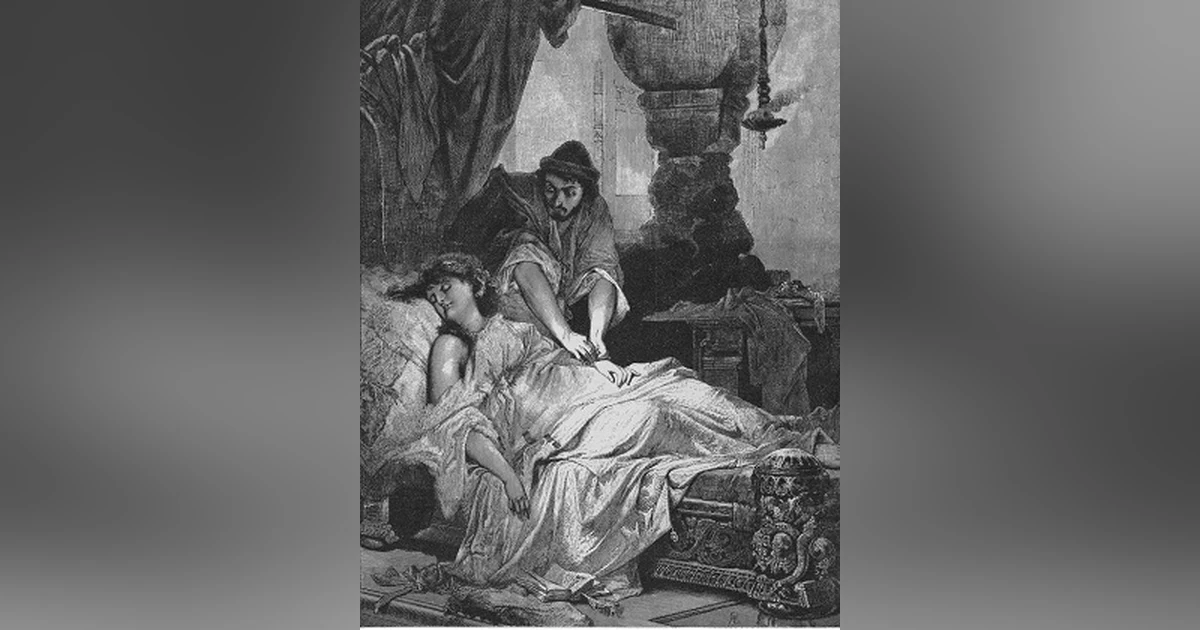
Although ‘Coriolanus’ is officially Shakespeare’s last Roman tragedy his next play, ‘Cymbeline’, is set in the Roman period, but in England, and suggests that Shakespeare was still deeply attracted to Roman history, although in this case his plundering of Roman history was not directly from Plutarch, but another of his favourite sources. There are some themes in ‘Cymbeline’ that you will find familiar from ‘Coriolanus’ and will encounter again in ‘The Tempest’, but once again we have a play from Shakespeare that is not quite like any other of his, despite some shared themes with the later plays. For many Cymbeline remains an enigmatic play, or a flawed experiment, or an example of the work of a playwright growing tired with his work, and perhaps something of all of that is present in the play, but there is, I think, a good argument that Shakespeare was in fact still experimenting with form and content and responding to concerns of his time in his plays just as he always had done.
The dating of the play
The early printing of the play
‘Innogen’ Vs ‘Imogen’
The sources for the play
A summary of a complicated plot
‘Cymbeline’ as a tragicomedy
The comic character of Cloten
James 1st as represented by King Cymbeline
The historical Britain represented in the play
The nobility of the British characters in the play
Iachimo, the other Roman characters and the English attitude towards Italians
The sons of Balarius
Imogen – a great Shakespeare heroine or slightly unsatisfying?
A brief critical history of the play
The later performance history of the play
Support the podcast at:
www.thehistoryofeuropeantheatre.com
You can find an advertisement free version of the latest podcast episodes by joining on Patreon at the lowest paid tier level – that’s for just £1 per month.
Hosted on Acast. See acast.com/privacy for more information.