Epicene: ‘Silence in a Woman is Like Speech in a Man’


Episode 228:
About the same time that Shakespeare was retelling the story of Pericles Ben Jonson was writing ‘Epicene, or the Silent Woman’, a play set very firmly in his home turf of London. It had been three years since Jonson had written for the public stage, which is not to say that his last play ‘Volpone’ was not a success, but he was occupied with producing masques for the King and the court, working with Inigo Jones, which a much more profitable endeavour for him personally than another satire for the public to judge. In those three years he produced seven court entertainments, so he was far from idle. Whatever the case ‘Epicene’ is another Jonson play that had a tricky start in life, although on the scale of some of his previous issues with the law and failures on the stage he probably did not feel too bad about this one.
Dating and the first performances of the play
The Whitefriars Theatre
The sources for the play
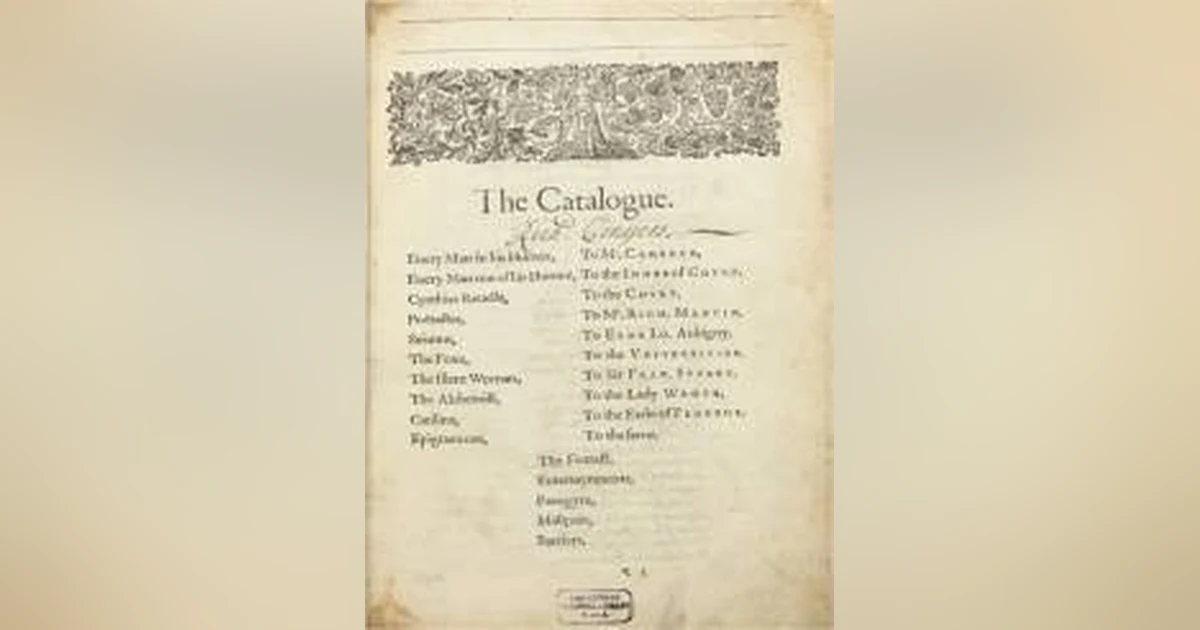
The publication history of the play
A synopsis of the plot
The first reception of ‘Epicene’
Lady Arabella Stuart’s complaint
The location of the Whitefriars Theatre
The two prologues to the play
Jonson’s attitude to gender roles
The Strand and the new West End
The noise of the city
The character of Morose
The supporting characters
Women, clothes, and the artifice of their appearance
Captain and mistress Otter
The final reveal in the play
Religious references in the play
When Jonson brings himself into the text
The performance history of the play and its influences
Support the podcast at:
www.thehistoryofeuropeantheatre.com
You can find an advertisement free version of the latest podcast episodes by joining on Patreon at the lowest paid tier level – that’s for just £1 per month.
Hosted on Acast. See acast.com/privacy for more information.