King Lear Part 2: ‘Thou shouldst not have been old till thou hadst been wise’

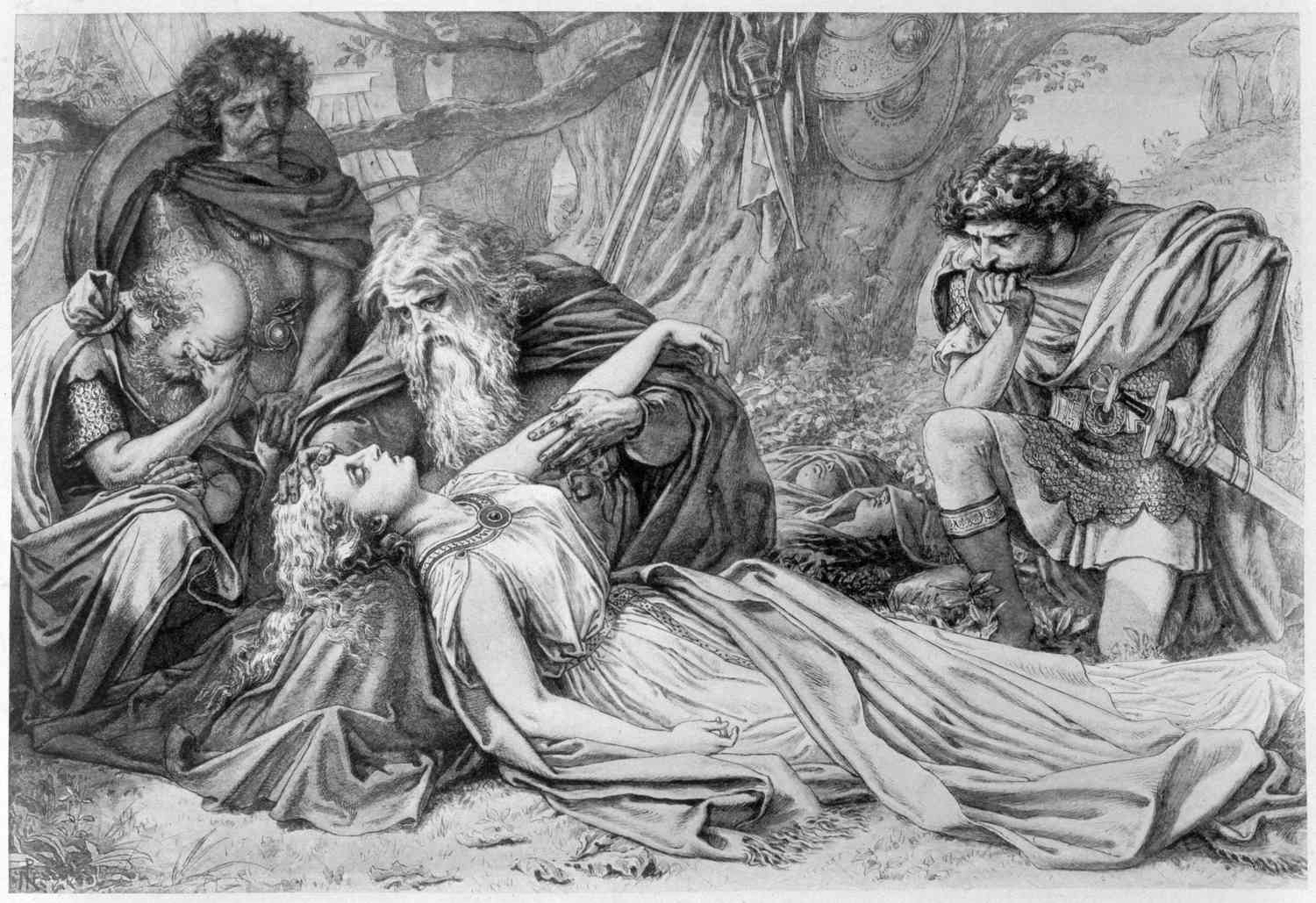


Episode 218:
Last time I looked at the first part of ‘King Lear’ from the opening scene where Lear makes his disastrous decision to split his kingdom between his children, through to the renowned scene where the ex-king and his fool are caught in a raging storm on the moor and saved only by the loyalty of Kent. On the way I looked at the deliciously evil Edmund, the poor judgement of his father Gloucester, and the scheming of Lear’s oldest daughter Goneril. Now I will complete this look at the play and discuss it’s place as a very Jacobean play addressing the concerns of its time when King James was working hard at an attempt to unite his disparate kingdom.
The role, character and purpose of the Fool
The mock trial scene
The blinding of Gloucester
The character and cruelty of Regan
Edgar and Gloucester on the cliffs at Dover
Hope before tragedy as Lear and Cordelia are reunited
A family dispute as the heart of the play
Why Lear resonates so strongly with audiences
The sense of ‘no place’ in the play
King Lear as a message for King James
The significance of the non-Christian setting of the play
The play as a tragedy and a history play
A brief view of the later critical and performance history of the play
A small selection of ‘King Lear’ on film
Support the podcast at:
www.thehistoryofeuropeantheatre.com
You can find an advertisement free version of the latest podcast episodes by joining on Patreon at the lowest paid tier level – that’s for just £1 per month.
Hosted on Acast. See acast.com/privacy for more information.