Twelfth Night: ‘Foolery, sir, does walk about the orb like the sun; it shines everywhere’

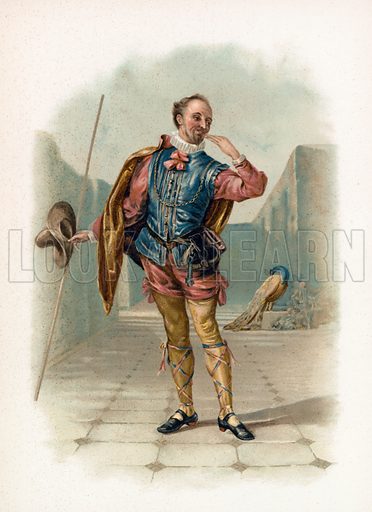



Episode 199:
The line I have used for the title of today’s episode is spoken by Feste the fool, a central character in ‘Twelfth Night’. Fools have already played significant roles in Shakespeare’s previous plays and as you will hear there are possible connections between them and Feste, but significant as he is, and fools will be in forthcoming Shakespeare plays, there is so much more to Twelfth Night than just that one character. It is a play where other Shakespearean comedic characteristics also feature – identical twins, empowered and quick-witted women, variants on the braggart soldier character, and an exotic, virtually mystical, setting, spring to mind. If ever there was a comedy where Shakespeare was completely in his stride then this, for me, is the one.
The early performance history of the play
The dating of the play
The early print history of the play
The sources for the play
The establishing of social roles in the play
The positions of the knights Sir Toby and Sir Andrew
The role of Feste, the fool.
The impact of Feste’s songs
Feste as a portrait of Thomas Nashe
The centrality of Malvolio to the themes of the play
Feste’s sung epilogue to the play
Love, desire and infatuation in the play
The play as a knowingly theatrical story
The performance history of the play
Some of the critical reaction to the play
Link to Rachel Aanstad’s ‘A Bawdy Twelfth Night’ for UK customers:
Link to Rachel Aanstad’s ‘A Bawdy Twelfth Night’ for US customers:
Support the podcast at:
www.thehistoryofeuropeantheatre.com
Hosted on Acast. See acast.com/privacy for more information.