Volpone: ‘What a Rare Punishment is Avarice to Itself’



Episode 213:
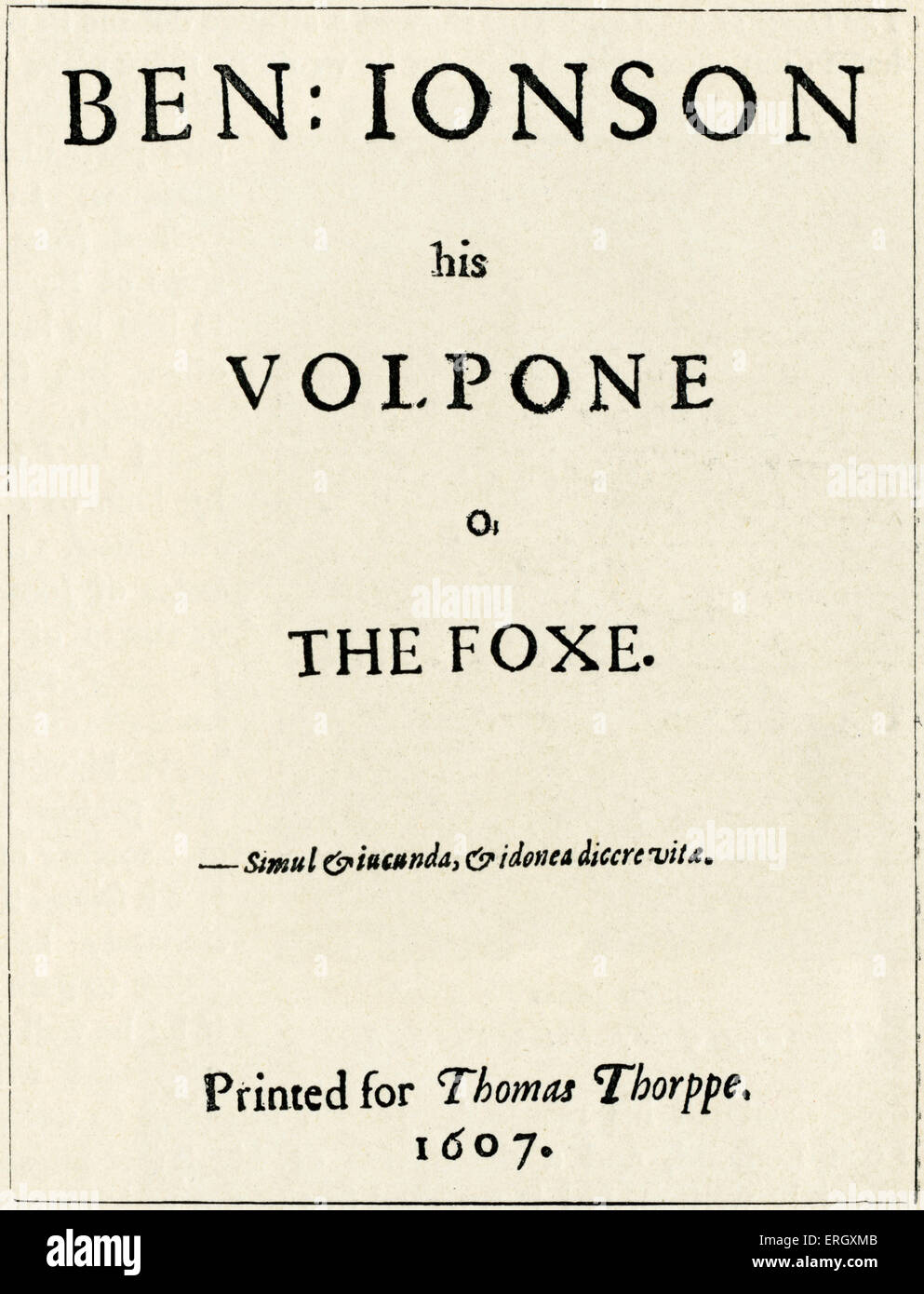
In the spring of 1606, a new Ben Jonson play premiered, not on this occasion at the Blackfriars theatre performed by one of the child companies, but at the Globe and performed by the King’s Men. The reasons for why Jonson sold his play to the King’s Men are not completely clear. Having a play performed by the Kings Men was, of course, prestigious in itself, and some of his early plays had been performed by the Lord Chamberlin’s Men, but up to this point for his most recent plays Johnson had seemed to prefer using the child companies. It may be that the Children of the Queens Revels were wary of another Jonson play after the problems that ‘Eastward Ho’ had caused for the playwrights, or perhaps Johnson himself felt it would be wise to distance himself from that association and switching to the adult company was a way of doing that. Perhaps Jonson had seen the writing on the wall for the Children of the Queens Revels after they had got into trouble for a production of a play by John Day called ‘The Isle of Gulls’.
The dating and first performance of the play
The slow demise of the Children of the Queen’s Revels
Early performances of the play
A brief synopsis of the play
The prologue and the argument
The city comedy elements in the play
What the setting of the play meant to the English audience
The methods by which Jonson created the Venetian setting
The purpose of the subplot featuring three English tourists
The beast fable elements in the play
Deception and the influence of the gunpowder plot on the play
The satire of greed as the driving theme of the play
Class conflict in the play and it’s moralistic ending
The later performance history of the play
Support the podcast at:
www.thehistoryofeuropeantheatre.com
You can find an advertisement free version of the latest podcast episodes by joining on Patreon at the lowest paid tier level – that’s for just £1 per month.
Hosted on Acast. See acast.com/privacy for more information.